Something About AI
This year I stopped writing code and handed the work to AI; it made me more effective, and I still miss the escaping.
- published
- 2026-10-05
- reading
- 06 min
https://goksen.ing/writing/something-about-ai
The gif
This post is my attempt to put a certain unease into words. Honestly, it could be summed up with a single gif.
If you're like me, slowly rotting on Twitter and Instagram, you've almost certainly seen it. It's a scene from Oblivion: Tom Cruise comes back to his house by the lake, lies down, and pulls his cap over his face. Online, it has become shorthand for a very specific urge in tech: quit everything, move to a farm, and disappear into nature.
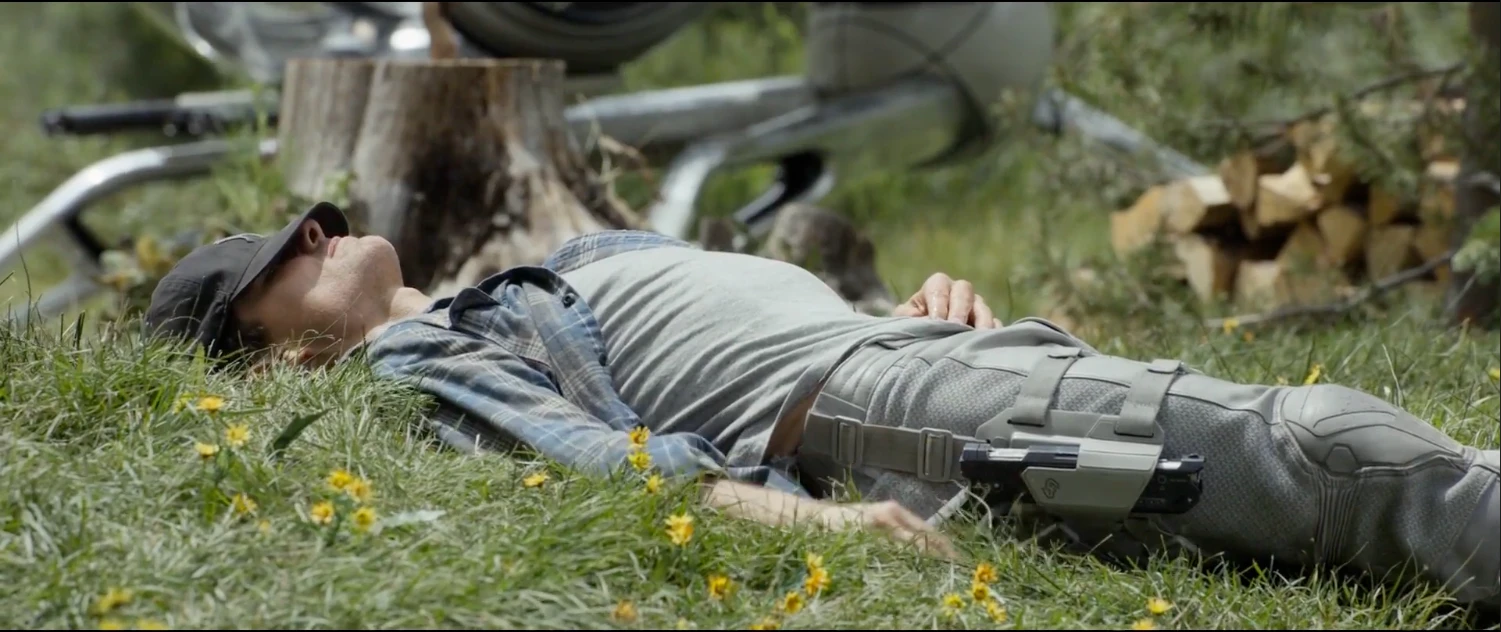
I've started to genuinely feel that urge.
Where I'm writing from
Let me be clear up front: I haven't been in this industry forever, and I'm not in a position grand enough to lecture anyone. This isn't a thought-leadership piece. I just made a space for myself to get what's inside out, and that's what I'm going to do.
I also won't take you on the usual doom-and-gloom tour of the industry. I want to talk about what actually happened to me.
Until this year, I earned my living by writing code. Programming was my economic power. This year, something broke. I entered a period where I genuinely, seriously stopped writing code.
I always assumed that moment would come when I moved into managing people. It didn't work that way. In a leadership role, yes, you sometimes end up half-therapist. But you still get pulled back in to get your hands dirty. My weeks used to look roughly like 30% code, 70% people. What's happening now is something else entirely.
Catching the train
In January 2026, I bought a Claude subscription and treated it as an investment in myself. I felt I wasn't doing nearly enough AI-assisted coding, and that a train was leaving without me. I didn't want to miss it, so I jumped on.
Since then, my head has been in a very different place.
I tried tool after tool built around the Claude Code ecosystem. I started simple: autocomplete, then sessions run one after another. Then I moved into heartbeat-based setups like Paperclip, where the agent wakes up on its own and keeps going without me. It started making decisions on my behalf. It updated Jira tickets. It opened pull requests. It began replying to review comments as if it were me.
Until May, I honestly couldn't accept it. I remember still reaching into the code it wrote, rewriting pieces, keeping a hand on the wheel.
Then in May, as a company, we decided to adopt these tools officially. It stopped being my personal experiment and became serious. Nothing unusual there. It was the same "become an AI-first company" road the whole industry was already on. But once everyone around me was in, I let go too. And the more mechanical choices I handed over, the safer I felt. That part still surprises me.
From search engine to senior teammate
It's worth saying how different this is from what came before. In previous years, AI was mostly a nicer search engine for me. Instead of googling how other people had solved a problem, I asked an AI. Yes, I used Cursor, and that was a slightly different experience, but in the end it wasn't far from a smarter autocomplete.
Today it feels like a senior teammate. Someone whose technical choices I can genuinely leave behind me without looking back. I focus on the business decisions and the requirements, I explain where we need to go, and it gets us there.
Sometimes it asks me questions so hard that I feel inadequate. And sometimes I just let it make the call.
The toy that was taken away
Today I work like a project manager who makes decisions. I focus on understanding the problems in our business processes and turning them into specs. Then I hand the entire mechanical load to AI. That's where I am right now.
And yet something bothers me deeply.
For more than ten years, I grew by doing all of that mechanical work myself. Typing it, breaking it, fixing it. That's how I got here. It was the craft I poured my time and effort into, the thing I held onto, the thing I genuinely enjoyed.
Now it feels like my favourite toy has been taken out of my hands.
I think I miss escaping
I can't honestly say I miss writing code itself. But there's one part of the job I know I love: firefighting.
I'm good at it. Under stress, I make decisions in a healthy way. They're not always the right decisions, of course. But in the middle of a fire, I can tell what's allowed to burn and what isn't, and I can put it out. It's extremely stressful, and I enjoy it enormously.
With AI, that process got easier and shorter. But instead of feeling like I'm racing to get out of an escape room, I now feel like the guy in Saw who builds the traps and watches the prisoners try to get out.
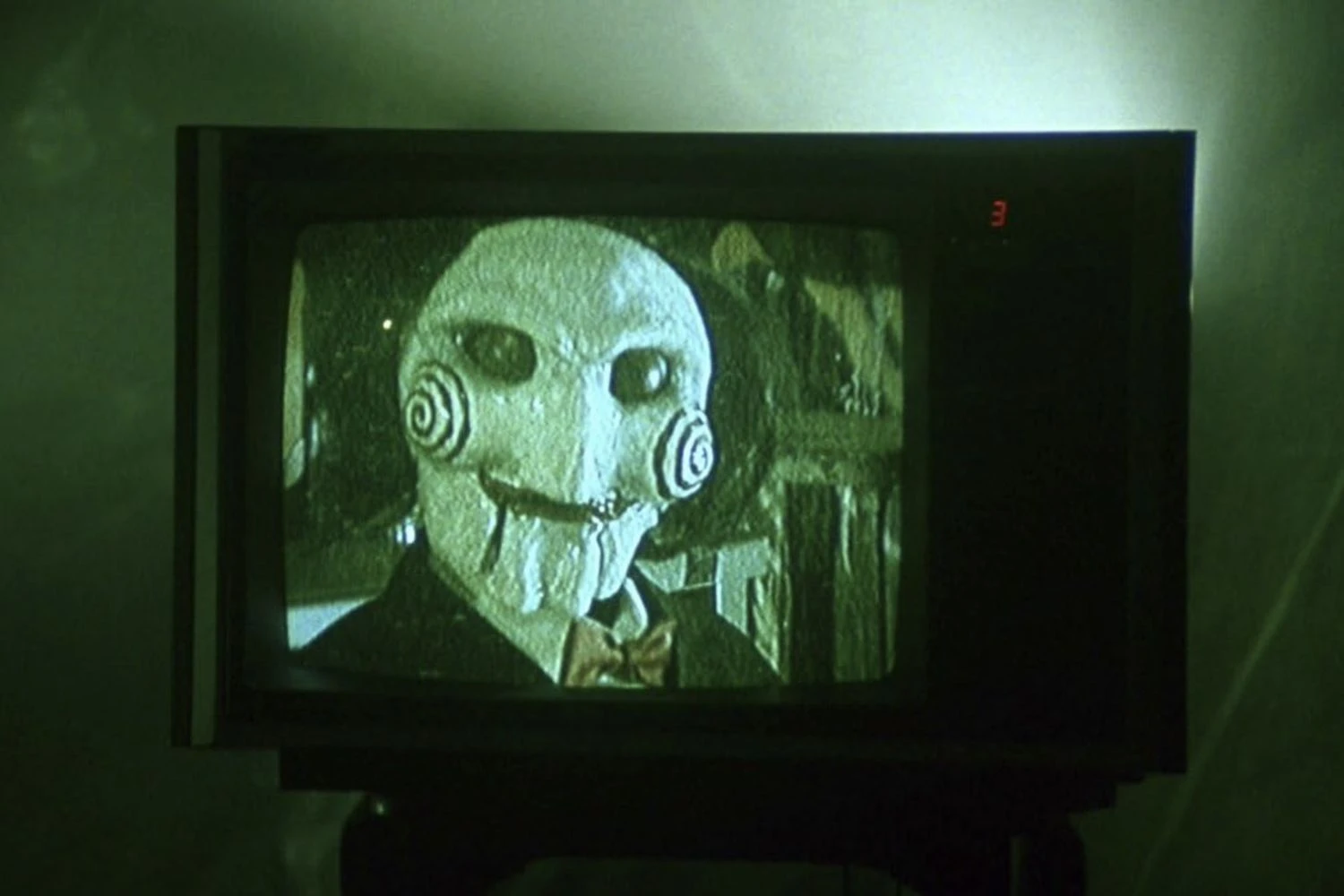
I think what I miss is the escaping.
A quieter team
Something else changed that I didn't expect: the feeling of being a team has mostly faded, at least on the technical side.
Most of us don't consult each other about programming anymore. We share fewer ideas. We spend less time searching together for the most beautiful solution. Instead, we focus on understanding the business requirements and the problems behind them.
That's not a bad thing on paper. But everyone seems to work more alone now.
No running away
I have to be honest, though. This is a genuinely useful tool now. Running away from it isn't possible, and it wouldn't even make sense.
Back to things I can hold
I don't know what I need to do to fully accept this. But I've started to see something in it: a chance to return to things I've always enjoyed but never had the time for, because work kept eating it.
I'm someone who likes making physical things. I've worked with 3D printers for a long time, making things for myself, my home and my friends. A big part of the stuff in my house came off those printers. Lately I've started building scale models and learning how to paint them. And I'm picking up the guitar again.
For now
I don't have a neat conclusion. The way I work now is, in many ways, more effective. But effective isn't the same as mine. And some days, I understand that man lying by the lake perfectly.